



Q-Shape
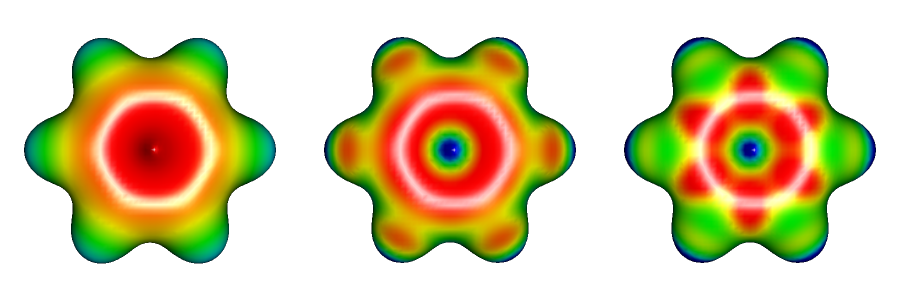
An open web application for molecular shape analysis.
Explore Q-ShapeQuantum Chemistry of Magnetism & Molecular Materials
Quantum chemistry / Molecular magnetism
We investigate molecular magnetism, excited states and the chemistry of spin — from heavy main-group molecules to light-responsive materials.
Open tools / Built for research
ORCASpectrumPlot
Load a spectrum, adjust broadening and energy shift, and export the result. A practical interface for working with ORCA spectra.
Explore ORCASpectrumPlotInterface screenshot from HenriqueCSJ/ORCASpectrumPlot.
An open web application for molecular shape analysis.
Explore Q-ShapeOpen-source utilities for parsing ORCA calculation output.
Explore ORCAParserAn open web resource for chemical nomenclature.
Explore NomenclaturaQuimicaResearch in print
2026
Journal of Molecular Structure
DOI: 10.1016/j.molstruc.2025.1451692026Dyes and Pigments
DOI: 10.1016/j.dyepig.2025.1133892026CrystEngComm
DOI: 10.1039/D5CE01150G2026ACS Omega
DOI: 10.1021/acsomega.5c100112026RSC Advances
DOI: 10.1039/D5RA06376KExplore the papers, methods and collaborations behind the work.
From the notebook
Practical tutorials and research stories from the archive.
Courses & learning
General and inorganic chemistry, in the classroom and the laboratory.
Scientific exchange
No public event announcements are currently listed.
Scientific service
UFRRJ / Seropédica, Brazil
Q²M³ is based in UFRRJ’s Department of Fundamental Chemistry and works through experimental and computational collaborations.
Henrique de Castro Silva Junior
Group leader · UFRRJ
Connect / Follow the work
Find me online.
Research conversations, open tools and academic life.